8 Reasons Radiofrequency Ablation May Be Right For You
Nov 03, 2026
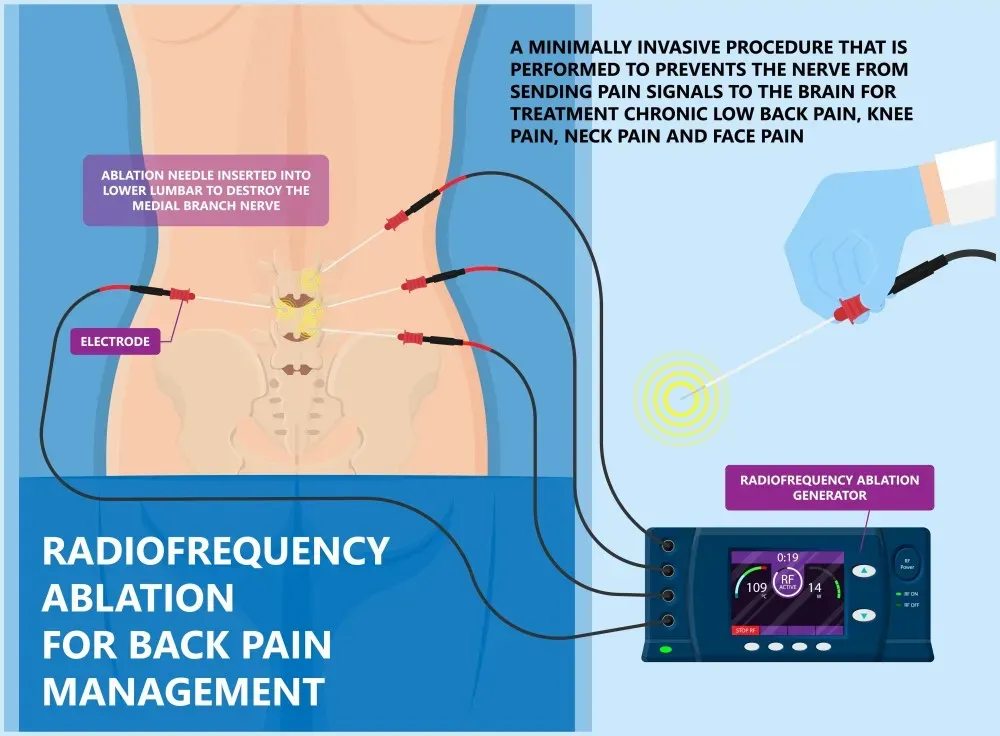
Does your back ache when you stand at the kitchen counter? Is it difficult to turn your head while driving? Chronic spine or joint pain can get in the way of daily activities. You may have tried physical therapy and other first-line treatments, but still haven’t found adequate relief.
At Spine & Pain Center of San Antonio in San Antonio and Live Oak, Texas, Dr. Sergio Alvarado and our team can help you find lasting relief. We take a comprehensive treatment approach that includes next-level pain management options, including radiofrequency ablation (RFA).
RFA uses heat generated by radiowaves to interrupt pain signals from specific nerves. Using a thin needle, the procedure delivers heat to a specific part of a chronically irritated or otherwise “overactive” nerve, interrupting the pain signals to your brain.
When other treatment methods haven’t worked, RFA can be a good option for long-term pain management, especially for neck pain or back pain.
When evaluating your pain source, we also investigate how you’ve responded to other treatments. Here are eight reasons to discuss RFA with our pain management specialists.
RFA may help with certain sources of chronic neck, back, or knee pain. If your lower back pain worsens when you twist or lift, that could be a reason to get evaluated.
Common conservative treatment options for chronic pain include over-the-counter pain medications, physical therapy, and injections. If those haven’t helped, RFA may be a solution.
A diagnostic nerve block uses a numbing medication to help identify the nerves carrying your pain signals. If this treatment temporarily eases your pain, it can help identify which nerves to treat during RFA.
If you find yourself skipping exercise or struggling to complete routine tasks, a successful RFA may improve your ability to participate in normal activities — and make headway in physical therapy for even longer-lasting pain relief.
Reducing pain may allow you to take less medication. Our team can supervise any changes to your medication following your RFA procedure.
RFA is a minimally invasive way to experience pain relief for six months or longer, which may help you delay — or even avoid — the need for surgical treatment.
RFA is a relatively quick outpatient procedure, and you can go home the same day. You may feel mild temporary soreness, but most people resume normal activities within a day or two.
RFA delivers immediate pain relief that can last for six months to a year, or even longer. If the treated nerve eventually repairs itself, you may be a candidate for another RFA treatment.
Is radiofrequency ablation the next best step for you? To find out how it can ease your chronic pain condition, schedule a visit at your nearest Spine & Pain Center of San Antonio office in San Antonio or Live Oak, Texas, today.